 |
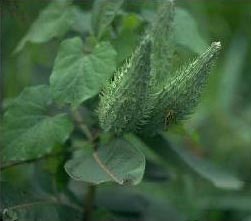
Milkweeds Cardioactive glycosides Similar to digitalis Can hurt livestock, Monarch caterpillars and people Click picture for details |
||||
|
|||||
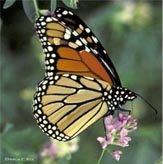
A study from Cornell University in New York was recently published in the science journal Nature and suggests that pollen from Bt corn may have toxic effects on larvae of the monarch butterfly. The caterpillar, or larval stage, of this insect feeds on milkweed. Because some milkweed grows next to corn in the Midwest, there is the potential that Bt corn pollen may drift onto milkweed and affect monarch larvae. The Cornell study has generated a tremendous amount of coverage in the national media because of the potential clash between biotechnology and wildlife.
Also see: http://www.ars.usda.gov/is/br/btcorn/
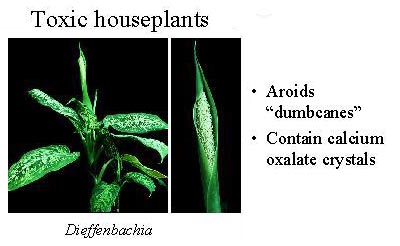 Many aroids have caustic saps which cause skin irritation by contact or ingestion. |
 |
 |
Visitors
Count is per person no matter how many pages are visited!
Hits
Count is for ALL the hits each visitor makes!

prom dresses 2007 + size